

Family & Multi-Gen Safaris: The Complete Guide to Balancing Kenya and Tanzania Plans
A family safari across Kenya and Tanzania represents one of the most transformative travel experiences available—a chance for grandparents, parents, and children to disconnect from the everyday and reconnect with each other against the backdrop of Africa's most iconic landscapes. Yet planning a multi-generational adventure across two countries requires careful consideration of logistics, pacing, and the unique needs of every family member.
Whether you're contemplating your first safari or adding an African adventure to your family legacy, this comprehensive guide will help you navigate the complexities of combining Kenya and Tanzania into a seamless, unforgettable journey. We'll explore how to balance the distinct ecosystems and cultural experiences of both nations while ensuring comfort and engagement for travelers ranging from young children to seasoned grandparents.
Why Kenya and Tanzania Together Create the Ultimate Family Safari Experience
Kenya and Tanzania form a natural pairing for family safari adventures, each offering complementary landscapes and wildlife encounters that individually would seem insufficient, but together create an unparalleled East African narrative. The Serengeti's endless plains, Amboseli's dramatic volcanic backdrops, the Ngorongoro Crater's biodiversity, and the Maasai Mara's legendary Big Five encounters collectively provide the diversity families crave.
Beyond wildlife, combining Kenya and Tanzania offers distinct landscapes, wildlife encounters, and cultural experiences that complement each other perfectly[1]. This isn't simply about checking boxes on a wildlife list; it's about crafting a narrative arc that keeps family members—regardless of age—engaged and amazed throughout the journey.
The practical advantage is equally compelling: both countries share similar infrastructure, travel times between destinations are manageable (typically 4-5 hours between major hubs), and the combined itinerary allows families to pace themselves more comfortably than rushing through either country alone.
Understanding the Pacing Challenge for Multi-Generational Groups
The cornerstone of successful family safari planning is honest acknowledgment that energy levels, interests, and physical capabilities vary dramatically across generations. A 75-year-old grandmother experiences a safari differently than a 12-year-old grandson, and both deserve an itinerary that honors their needs.
Younger kids and even young adults might find twice-daily game drives too much, so varying your routine with other activities such as bush walks, bird-watching excursions, hot air balloon rides, or even bungee jumping for more intrepid members creates balance[7]. Similarly, understanding the varying energy levels and interests within a multigenerational group means pacing the safari accordingly with plenty of time for rest, leisure activities, and private family moments[8].
The solution isn't compromise—it's flexibility. Private safari vehicles and guides enable you to stagger game drive timing, allowing teenagers to sleep through early morning departures while grandparents enjoy prime wildlife viewing, then regroup for lunch and afternoon activities tailored to family preferences.
Structuring Your Itinerary: Sample Kenya-Tanzania Family Route
A well-balanced family itinerary typically spans 10-14 days, allowing for international travel recovery and sufficient safari immersion without overwhelming younger travelers.
Days 1-2: Arrival and Acclimation (Nairobi, Kenya)
Begin in Kenya's capital, using these days for jet lag recovery and preparation. This isn't wasted time—it's essential foundation-setting. Families can explore Nairobi National Park for gentle wildlife viewing before heading into deeper wilderness, or visit cultural sites that provide context for the communities you'll encounter.
Days 3-5: Lake Nakuru and the Maasai Mara (Kenya)
Drive approximately 4-5 hours from Nairobi to Lake Nakuru, a stunning freshwater lake ringed with flamingos and diverse wildlife, before continuing to the Maasai Mara—the quintessential African experience with sparse open plains, dramatic skies, and some of the world's most tremendous animals[2]. These three days allow families to settle into safari rhythms, experience Kenya's most iconic reserve, and build confidence before crossing the border.
Days 6-8: Tanzania's Northern Circuit (Arusha, Mount Meru, Kilimanjaro Region)
Travel across the Kenya-Tanzania border to Arusha, located at the base of volcanic Mount Meru and serving as the gateway to safari destinations and to Africa's highest peak—Mount Kilimanjaro at 5,895 meters[2]. This segment introduces families to Tanzania's distinct ecosystem and offers optional activities like a gentle forest walk on Mount Meru's slopes or visits to local Maasai communities.
Days 9-11: Tanzania's Crown Jewels (Serengeti and Ngorongoro)
This is where Tanzania's unique magic emerges. The Serengeti's vastness and the Ngorongoro Crater's enclosed ecosystem offer contrasting safari experiences within close proximity. The crater's amphitheater-like setting means exceptional wildlife concentration without extensive driving, ideal for families with younger children or those seeking comfort.
Days 12-14: Beach Relaxation and Departure
Tanzania's coastline offers the exotic spice island of Zanzibar with its UNESCO World Heritage Stone Town, the pristine beaches of Pemba Island, or the untouched beauty of Mafia Island for world-class diving, transforming your safari into a complete East African experience by providing the perfect balance of adventure and relaxation[1]. Alternatively, extend your stay in Kenya with Lamu Island's historic charm or Diani Beach's resort luxury. These final days allow families to decompress, process their experiences, and return home energized rather than exhausted.
Choosing Between National Parks and Private Conservancies
One way to maximize your Kenya-Tanzania safari is ensuring you visit both national parks and private conservancies—national parks offer classic safari experiences with almost guaranteed wildlife viewing, while private conservancies provide a more intimate and exclusive encounter with wildlife, with few other vehicles around[1].
For family groups, this distinction matters significantly. National parks like the Serengeti and Maasai Mara offer reliability and wildlife density that virtually guarantee animal encounters—crucial for younger family members who need tangible rewards for early wake-ups. Private conservancies like Naboisho in Kenya or the Ngorongoro Conservation Area in Tanzania provide exclusivity and flexibility that multi-generational groups require.
The ideal approach combines both: spend peak game drive days in national parks where wildlife concentration is highest, then transition to private conservancies for more relaxed pacing and intimate experiences.
The Cultural Dimension: Engaging with Local Communities
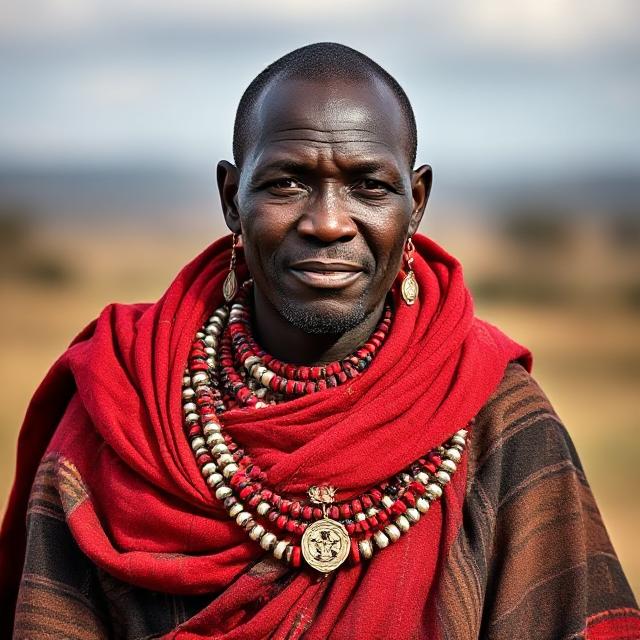
A memorable family safari extends beyond wildlife. Multi-generational African safari adventures benefit from cultural immersion that goes beyond tourist experiences—visiting local tribes and interacting authentically, such as joining hunter-gatherer tribes on hunts or visiting blacksmithing communities, creates meaningful connections[3].
These interactions offer profound teaching opportunities for younger family members and create conversation pieces that outlast wildlife sightings. Grandparents often find these cultural exchanges as impactful as the safari itself, reminding them why travel matters.
Practical Considerations for Multigenerational Comfort
Accommodation Strategy
Comfort is crucial when traveling with kids, which is why selecting family-friendly lodges offering safe, comfortable, and convenient lodging options—like family suites or interconnected rooms equipped with amenities catering to everyone's needs—is essential[8]. Look for properties with swimming pools; they're not luxuries but necessities for breaking up long safari days, especially for younger travelers.
Health and Safety
Family health and safety are priorities, including providing options for dietary requirements and ensuring immediate access to medical care if needed[8]. Discuss any medical conditions, medications, or dietary restrictions with your travel specialist in advance so accommodations can be arranged seamlessly.
Activity Variety
Safaris can be quite intensive with lots of early mornings, so adding non-safari time and varying activities creates a more enjoyable trip overall[7]. Bush walks, bird-watching excursions, village visits, and simply resting at the lodge are all valid safari activities that keep different family members engaged.
Budget Flexibility and Value Optimization
Tanzania and Kenya's wide variety of game parks, conservation areas, and accommodation options allow significant scope for budget flexibility, with families benefiting from substantial savings as part of larger groups, especially if dates fall outside peak season[9].
However, the real value optimization comes through expert planning rather than DIY booking. As one of Kenya's leading travel agencies staffed by experienced safari guides, we understand which properties offer exceptional value for families, which times deliver the best wildlife experiences, and how to structure itineraries that maximize experiences while maintaining comfort levels across all age groups. Consulting with travel specialists rather than booking directly typically unlocks better rates through established relationships, concierge support throughout your journey, and access to exclusive family packages unavailable to general bookers.
Sample Multi-Generational Package Pricing
Family safari packages typically range from £3,750–£5,500 for 12-day experiences (excluding flights), with luxury options extending to $43,804 per person for premium conservancy experiences combining Tanzania's Serengeti, Ngorongoro, and Tarangire with beach relaxation.
Entry-level family combinations like Kenya's Laikipia Plateau and coastal Lamu combined with Nairobi experiences start from US$16,614 per person sharing[5], making multi-generational adventures accessible to middle-to-upper-income families rather than ultra-luxury travelers exclusively.
Booking Your Family Safari: Why Expert Guidance Matters
The mechanics of combining Kenya and Tanzania—visa requirements, internal flight connections, vehicle arrangements, guide selection, and accommodation coordination—present complexities that can overwhelm even experienced travelers. This is where partnership with experienced safari professionals transforms potential stress into seamless adventure.
When you work with a Kenya-based travel agency staffed by experienced guides, you gain access to:
- Insider knowledge: Which guides specialize in family groups, which lodges best accommodate multigenerational needs, which conservation areas offer optimal wildlife viewing for younger travelers
- Negotiated rates: Long-standing relationships with properties yield rates unavailable through direct booking
- Concierge support: From pre-departure consultation through post-return follow-up, professional support remains available
- Problem-solving: If weather delays flights or wildlife patterns shift, experienced professionals adapt itineraries seamlessly
- Curated experiences: Rather than generic packages, truly customized itineraries reflecting your family's specific interests and capabilities
Next Steps: Reserve Your Family Safari
The mechanics of planning a family safari across Kenya and Tanzania involve numerous moving pieces: international flights, inter-country transfers, domestic flights between safari regions, accommodation coordination across multiple properties, and guide selection. Rather than managing these complexities independently, consider consulting with our team of experienced safari guides.
Contact us today to discuss your family's specific needs, preferences, and vision for a Kenya-Tanzania safari. We'll provide transparent guidance on realistic timelines, authentic pricing, and customized itineraries designed to create meaningful multi-generational memories rather than logistical nightmares.
Available departure dates span throughout 2026 and 2027, with flexibility for group size, duration, and destination focus. Whether you envision seven days balancing Kenyan wildlife with Tanzanian culture, or a full two-week immersion combining safari, cultural encounters, and beach relaxation, we can structure packages that exceed expectations while delivering exceptional value.
Your family's safari story awaits. Let's write it together.
Ready to Experience This?
Let our local-born guides craft your perfect safari adventure with insider knowledge and personalized service.