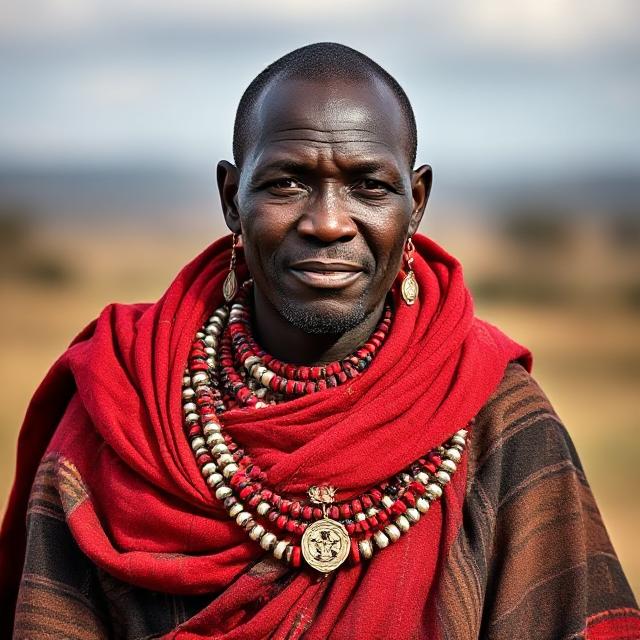


After orchestrating over 500 safaris across six African countries, we've witnessed countless travelers make the same preventable mistakes—mistakes that transform dream adventures into disappointing experiences. Some lose thousands of dollars to hidden fees. Others miss the Great Migration by mere days. Many settle for crowded game drives when private experiences were within reach.
The safari industry thrives on information asymmetry. Tour operators banking on your inexperience will gladly book you into the wrong season, overcharge for standard services, or pack your itinerary so tightly you'll return home exhausted rather than rejuvenated.
This guide exposes the ten most costly mistakes first-time (and even repeat) safari travelers make—and provides the insider knowledge to avoid them. Whether you're planning your first Kenyan adventure or your fifth East African expedition, these insights will save you money, maximize wildlife encounters, and ensure your safari delivers the transformative experience you're paying for.
Mistake #1: Booking During the Wrong Season
The Problem
Many travelers plan safaris around their vacation schedules without considering Africa's seasonal wildlife movements, weather patterns, or park accessibility. The result? They arrive during shoulder seasons when parks are muddy and inaccessible, miss the Great Migration by weeks, or endure daily downpours that cancel game drives.
Real example: A couple booked a "luxury Serengeti safari" for April (peak rainy season) because flights were cheap. Their lodge became inaccessible after heavy rains, three scheduled game drives were cancelled, and they spent $8,000 for mostly indoor time watching rain through their tent windows.
Why It Happens
Generic travel sites don't distinguish between Africa's microclimates and seasonal variations
Tour operators prioritize filling slots over ideal timing, especially during low seasons
Confusing information about dry/wet seasons varies dramatically by region
Migration timing changes slightly year-to-year, causing outdated information
The Solution
East Africa (Kenya, Tanzania)
Best overall: June-October (dry season) and January-February (short dry season)
Great Migration: June-July (river crossings in Masai Mara), December-March (calving in Serengeti)
Avoid: April-May (long rains), November (short rains)
Southern Africa (Botswana, South Africa)
Best overall: May-September (dry season, winter)
Okavango Delta flooding: June-August (peak water levels)
Avoid: December-March (hot, rainy season)
Uganda & Rwanda (Gorilla Trekking)
Best: June-September and December-February (drier, easier trekking)
Shoulder: March-May and October-November (wetter but fewer tourists)
Year-round possible but prepare for mud during rainy seasons
Insider tip: The "shoulder seasons" immediately before and after peak periods (May-June, November) offer 30-40% lower rates with only slightly higher rain chances. We strategically book clients during these windows for massive savings without sacrificing experience quality.
Mistake #2: Choosing the Wrong Park or Reserve
The Problem
First-time safari-goers often default to the most famous parks (Masai Mara, Serengeti, Kruger) without considering their specific wildlife interests, budget, or travel style. Meanwhile, lesser-known reserves offer equally spectacular wildlife with a fraction of the crowds and costs.
Real example: A photography enthusiast spent five days in Masai Mara during peak season, encountering 20+ vehicles around every lion sighting. We later redirected him to Samburu Reserve where he photographed unique species (Grevy's zebras, reticulated giraffes) in complete solitude—at 40% lower cost.
The Solution
For Big Five & Classic Safari Experience
Masai Mara (Kenya): Highest big cat density, Great Migration, excellent guides
Serengeti (Tanzania): Vast plains, huge herds, year-round wildlife
Kruger (South Africa): Self-drive option, excellent infrastructure, budget-friendly
For Unique Species & Fewer Crowds
Samburu (Kenya): Special Five (Grevy's zebra, reticulated giraffe, Somali ostrich, gerenuk, Beisa oryx)
Ruaha (Tanzania): Largest elephant population, wild dogs, remote wilderness
Mana Pools (Zimbabwe): Walking safaris, canoe trips, exceptional photographic opportunities
Pro strategy: Combine one famous park (for the classic experience) with one hidden gem (for unique sightings and value). Example: 3 days Masai Mara + 3 days Samburu gives you migration spectacle AND unique northern species at blended pricing.
Mistake #3: Underestimating the True Cost
The Problem
Safari pricing is notoriously opaque. Travelers see advertised rates of "$200 per person per night" and fail to account for mandatory add-ons: park fees ($80-200/day), guide tips ($20-30/day), premium drinks, activity fees, international flights, visa costs, and travel insurance. A "budget safari" quickly balloons to double the quoted price.
What should be included in your safari quote?
Accommodation: Nightly lodge/camp rates with meal plan (full board, all-inclusive, etc.)
Park fees: All conservation and entrance fees for each park
Transportation: 4x4 vehicle rental, fuel, driver-guide
Activities: Game drives, walking safaris, cultural visits included in package
Permits: Gorilla/chimp trekking permits if applicable
Internal flights: If multi-destination safari includes air transfers
What's typically NOT included?
International flights: To/from your home country to Africa
Visa fees: $50-100 per person depending on country
Tips/gratuities: $20-30 per person per day for guides, $10-15 for lodge staff
Premium drinks: Alcohol, imported beverages
Travel insurance: $50-150 per person (mandatory in many destinations)
Optional activities: Hot air balloon safaris ($450-550), night drives
Single supplements: 50-100% extra if traveling solo
Budgeting framework (per person for 7-day safari):
Budget tier: $2,500-4,000 (camping/basic lodges, shared vehicles)
Mid-range tier: $4,000-7,000 (comfortable lodges, private vehicle)
Luxury tier: $7,000-12,000 (premium camps, exclusive areas)
Ultra-luxury tier: $12,000+ (private conservancies, helicopter transfers)
Mistake #4: Booking Shared Game Drives (When You Shouldn't)
The Problem
Many budget and mid-range safaris use shared vehicles where 4-8 travelers pile into one 4x4. Sounds economical until you're stuck on the wrong side of the vehicle during the best leopard sighting of your life, or your group spends 45 minutes at giraffes while you desperately want to chase reports of a cheetah hunt.
Choose Private If...
You're a photographer: You need vehicle positioning control and unlimited time
You're a serious birder: Casual travelers won't tolerate watching specific species
You have specific wildlife goals: Dedicated time searching for leopards or wild dogs
You value flexibility: Skip common sightings, extend perfect moments
You're on a honeymoon: Romantic moments impossible with strangers
Middle-ground option: Book a private vehicle but split costs with one other compatible couple. You maintain control while halving private vehicle premiums.
Mistake #5: Ignoring Accommodation Location
The Problem
Many travelers focus solely on lodge luxury ratings while ignoring proximity to wildlife action. They book stunning properties 90 minutes from the park gate. Each day begins with a 3-hour commute before seeing any animals—wasting 6 hours of prime game viewing time.
Location Hierarchy (Best to Worst)
Inside the park in wildlife-rich zones (Seronera in Serengeti, Mara River in Masai Mara)
Inside the park in quieter zones (still convenient, slightly fewer sightings)
Private conservancy adjacent to park (excellent wildlife, fewer regulations)
Immediately outside park gate (<15 min to entrance, acceptable trade-off)
Regional town/city nearby (45+ min commute, avoid unless extreme budget)
Red flag: Any operator who won't disclose specific property names and locations before you book.
Mistake #6: Skipping Travel Insurance (Or Buying the Wrong Type)
The Problem
Travelers either skip travel insurance entirely or purchase generic policies that don't cover safari-specific risks: emergency medical evacuation from remote areas, trip cancellation due to political instability, or lost gorilla trekking permits.
Real example: A traveler sustained a serious leg injury during a walking safari in remote Zambia. The nearest hospital was in Johannesburg—800 miles away. Without evacuation insurance, the emergency helicopter and charter flight cost $45,000 out-of-pocket. Comprehensive safari insurance would have covered it for a $200 premium.
Safari-Specific Insurance Must Include
Emergency medical evacuation: Minimum $100,000 coverage
Adventure activity coverage: Explicitly includes game drives, walking safaris, gorilla trekking
Trip cancellation/interruption: Covers full safari cost
Lost/stolen permits: Gorilla permits cost $700-1,500 and are non-refundable
Pre-existing condition waivers: Available if purchased within 14-21 days of deposit
Cost expectation: $150-400 per person for an $8,000 safari (3-5% of trip cost).
Mistake #7: Not Securing Gorilla/Chimp Permits Early Enough
The Problem
Mountain gorilla permits are capped at 8 per day per gorilla family. Uganda issues 96 permits daily; Rwanda issues 80. During peak season, permits sell out 8-12 months in advance. Travelers booking 3 months out find zero availability.
Permit Booking Strategy
Permit Costs & Availability
Rwanda (Volcanoes NP): $1,500 per permit, book 9-12 months ahead
Uganda (Bwindi): $700 per permit, book 8-10 months ahead
Uganda (Mgahinga): $700 per permit, slightly easier availability
Congo (Virunga): $400 per permit, security-dependent
Critical: Book permits FIRST (8-12 months ahead), then build the rest of your itinerary around confirmed permit dates.
Alternative if Sold Out
Shoulder season pivot: March-May and October-November have better availability
Chimpanzee tracking instead: Easier to book, still incredible, much cheaper ($150-250)
Operator wait lists: Cancellations happen 2-4 weeks before trek dates
Uganda over Rwanda: Check all four Bwindi sectors for space
Mistake #8: Over-Packing Your Itinerary
The Problem
Travelers try to "see everything" in limited time, creating exhausting itineraries with 4am wake-ups, 6-hour drives, constant packing/unpacking, and surface-level experiences. You return home exhausted, not rejuvenated.
The 3-Night Minimum Rule
Spend at least 3 nights in each primary destination. Here's why:
Day 1: Arrival day (half-day game drive at best)
Day 2: Full day to explore, still learning the area
Day 3: Your guide knows your interests, experiences deepen
Day 4+: You've found "your spots," can revisit favorites, truly relax
Ideal Itinerary Pacing
7-day safari: 2 destinations maximum
10-day safari: 2-3 destinations
14-day safari: 3-4 destinations with buffer days
Our recommendation: Choose 2-3 parks that offer what you most want to see. Deep experiences in fewer places always surpass surface-level destination-hopping.
Mistake #9: Ignoring Hidden Costs & Tipping Customs
The Problem
Beyond opaque pricing, travelers get blindsided by unexpected costs: mandatory conservation fees, tipping protocols spanning 8-10 staff roles, premium activity fees, and undisclosed community levies.
Standard Tipping Guide (East Africa)
Daily Tipping Recommendations (per person)
Safari guide/driver: $20-30/day
Lodge staff (collective): $10-15/day
Gorilla trackers: $10-20 (one-time, after trek)
Walking safari guides: $15-25/day
Cultural visit guides: $5-10
Budget formula: For a 7-day safari, budget $200-300 per person for tips total. Bring small US dollar denominations.
Mistake #10: Booking With the Wrong Tour Operator
The Problem
The safari industry is flooded with operators ranging from fly-by-night budget companies to elite luxury providers like ourselves. Many travelers book based on price alone, discovering too late their operator uses unlicensed guides, outdated vehicles, or lodges far from wildlife areas.
Operator Vetting Checklist
Check Licenses & Associations
Licensed by local tourism board: Kenya Tourism Board (KTB), Tanzania Tourist Board (TTB), etc.
Member of professional associations: KATO (Kenya), TATO (Tanzania), AUTO (Uganda)
Bonded/insured: Protects you if company fails mid-trip
Registered business: Verifiable physical address and registration number
Evaluate Guide Quality
Guide credentials: Bronze, Silver, or Gold level certification?
Specific guide assignment: Same guide throughout? Bio/experience level?
Years of experience: 5+ years know animal behaviors and best spots
Language capabilities: Essential for complex wildlife explanations
Red Flags (Walk Away Immediately)
Pressure to "book now before prices increase"
Prices 30-50% lower than competitors
Refusal to provide written, itemized quotes
No verifiable licensing or memberships
Reluctance to name specific lodges until after full payment
Payment only via Western Union/MoneyGram
Plan Smart, Travel Confidently
Safari planning seems overwhelming because the industry makes it that way—deliberate complexity protects profit margins. But armed with these insights, you can now navigate the booking process with insider knowledge.
Your Action Checklist
Choose travel dates based on seasonal wildlife patterns
Select 2-3 destinations maximum aligned with your interests
Secure gorilla permits first (8-12 months ahead)
Get all-inclusive quotes with every fee itemized
Verify operator credentials through licensing boards
Prioritize accommodation location over luxury ratings
Consider private vehicles if photography or flexibility matter
Budget comprehensively—safari cost plus 20%
Purchase safari-specific insurance within 14-21 days
Build buffer days for spontaneity and weather
Ready to plan a safari without the mistakes?
We're indigenous safari specialists who grew up in the Maasai Mara with 500+ safaris of experience. Let's craft your perfect safari—the first time.
WhatsApp: +254 123 456 789
Email: safaris@regalroam.com
Website: regalroams.africa/plan-trip
Ready to Experience This?
Let our local-born guides craft your perfect safari adventure with insider knowledge and personalized service.